


Is business training still relevant when AI can write a business plan in thirty seconds? After a year leading seminars and one-on-one coaching for small and medium enterprises (SMEs) in Uganda, my answer is yes – but only if trainers change what they actually do in the room. Below are six lessons Ugandan seminar audiences taught me, and what they mean for anyone designing SME training in East Africa today.
Quick Takeaways
- Lived experience now beats generic information. AI can hand any entrepreneur a template; it can’t hand them another business owner’s hard-won story.
- Training only works if it’s personalised on the spot – participants need to apply every tool to their own numbers, not a textbook case.
- Ugandan audiences respond fast to interactive, game-based learning.
- Ugandan entrepreneurs pitch and take feedback with unusual confidence, which accelerates learning.
- Ugandan SMEs are eager to use AI for what was previously impossible, not just to speed up old tasks.
- Flexible timing is essential for events in Uganda, where a 9:00 a.m. start rarely starts at 9:00 a.m.
Why I Asked the Question in the First Place
Any entrepreneur in Kampala, Mbarara, or Gulu can now open ChatGPT and generate a business plan, a marketing strategy, or a cash flow template in seconds. That same entrepreneur has often spent the morning scrolling Reels and TikTok, trained by algorithms to expect a new hit of stimulation every few seconds. So why would anyone still sit in a room for a full day of business training?
Twelve months into leading BPN Uganda, part of the Swiss-Ugandan Business Development Programme, I have a working answer. Here is what running seminars and coaching sessions for Ugandan SMEs actually taught me.
1. Experience Is Worth More Than Ever
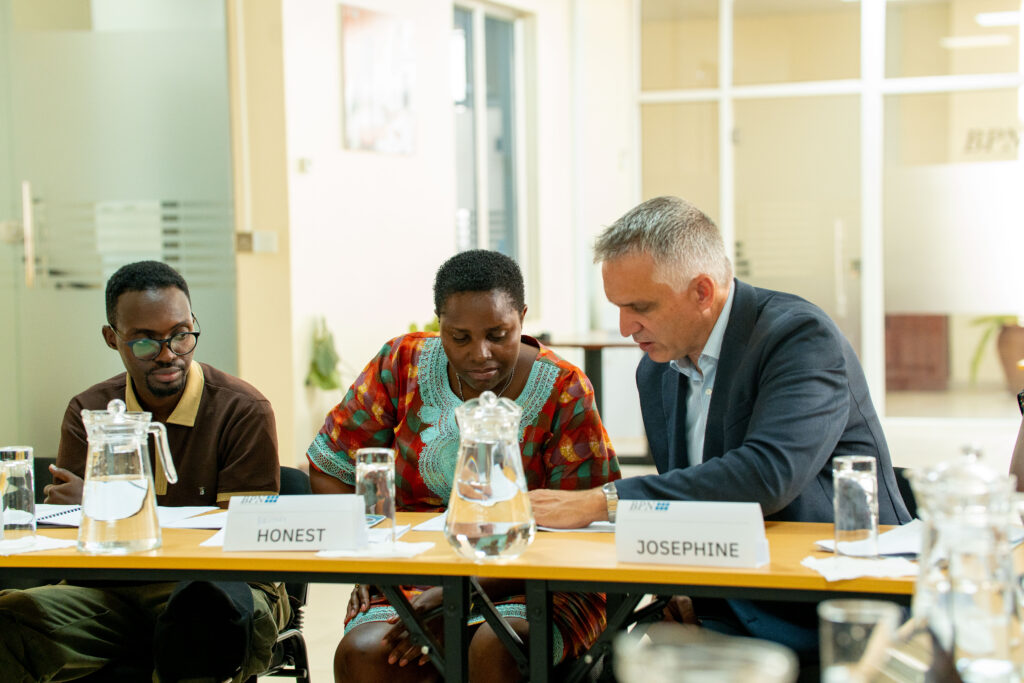
AI can deliver generic knowledge instantly – it cannot deliver lived experience. It can’t tell you the story of the Kampala bakery, boxed in by bigger and cheaper rivals, that had to find the one thing only it could offer. The most powerful moments in our seminars are no longer the ones where I lecture. They happen when I hand the floor to the room and let business owners trade real experience with each other. In a market flooded with AI-generated information, hard-won practical wisdom has become the scarce, valuable commodity.

2. Make It Fit Their Business, Not a Textbook Case
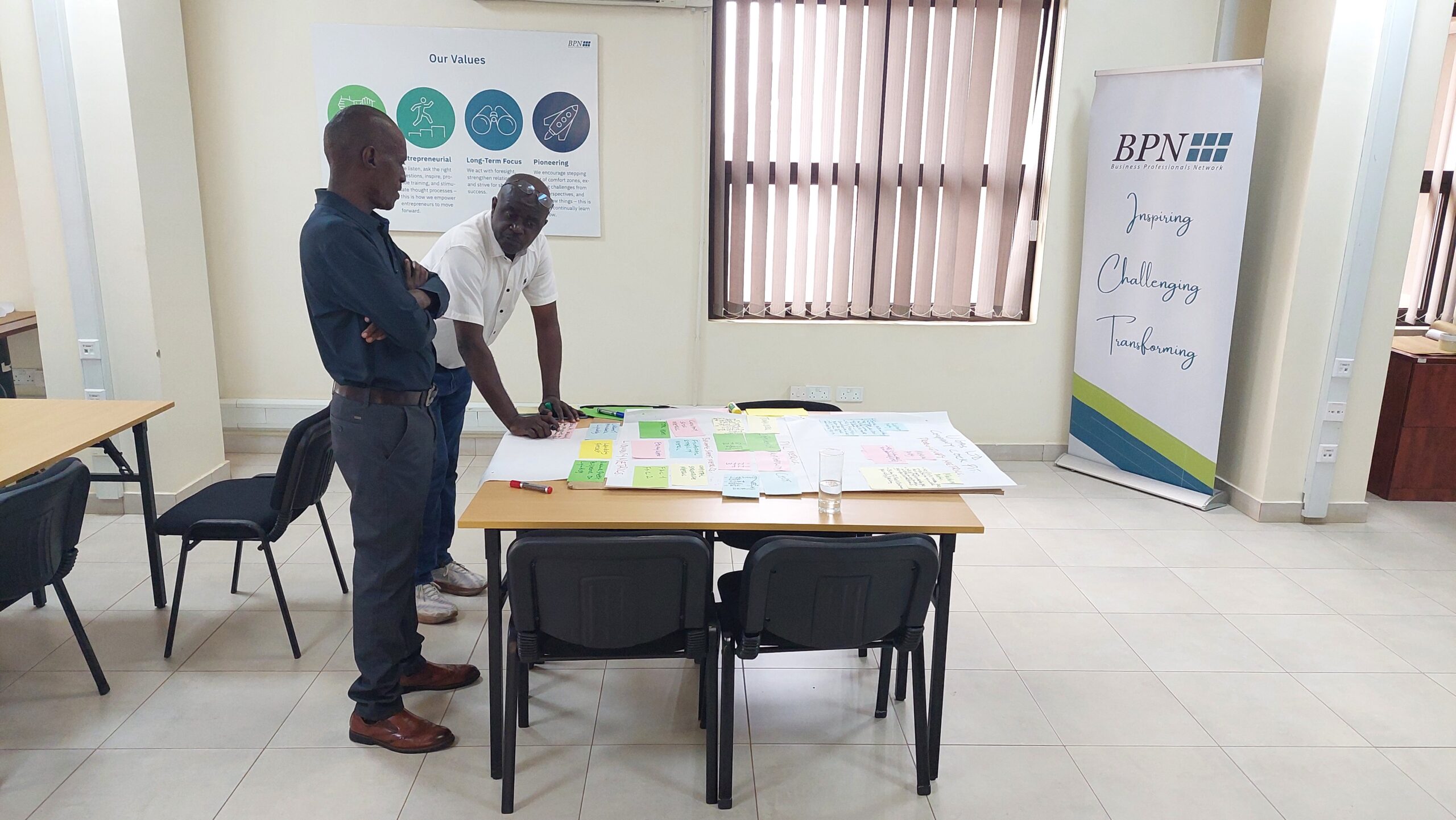
A seminar is only worth what a participant can put into practice the next day. Generic frameworks presented in the abstract get nodded at and forgotten. That’s why we now build in dedicated time, right there in the room, for participants to reshape every tool we introduce around their own business — their own numbers, their own customers, their own constraints. A company dashboard with KPIs means nothing until it’s filled in with the specific management data that actually drives that business’s decisions.
3. Ugandan Audiences Light Up Through Play
One of the most striking discoveries of my first year: Ugandan seminar rooms are remarkably easy to energise. A short game or group activity is often all it takes. The ice breaks fast, laughter follows, and a room of strangers becomes a room of collaborators. Compared to some of the more reserved audiences I’ve trained elsewhere, there’s a natural warmth and readiness to engage here that any trainer would be lucky to work with.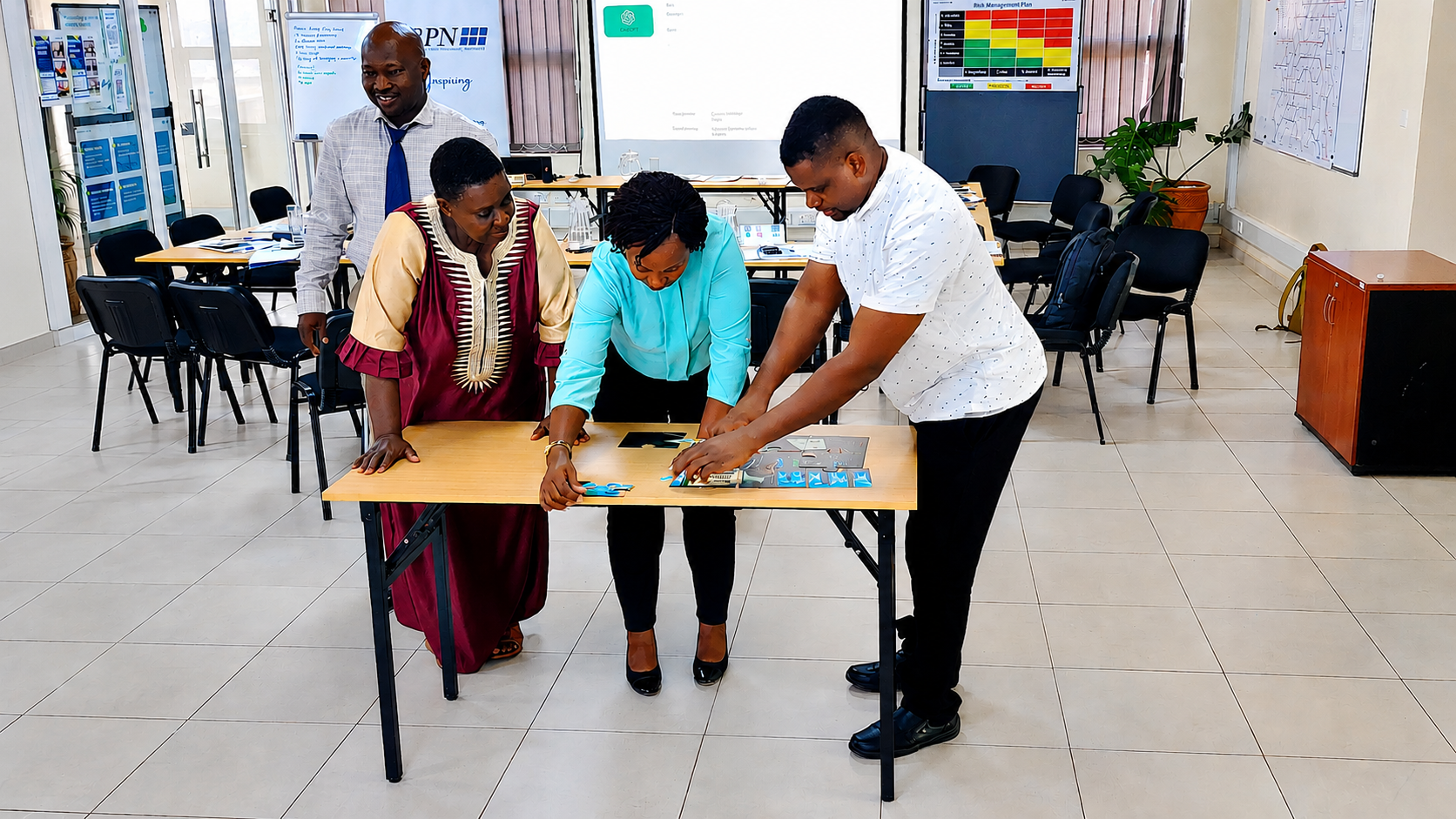
4. No Fear of the Front of the Room
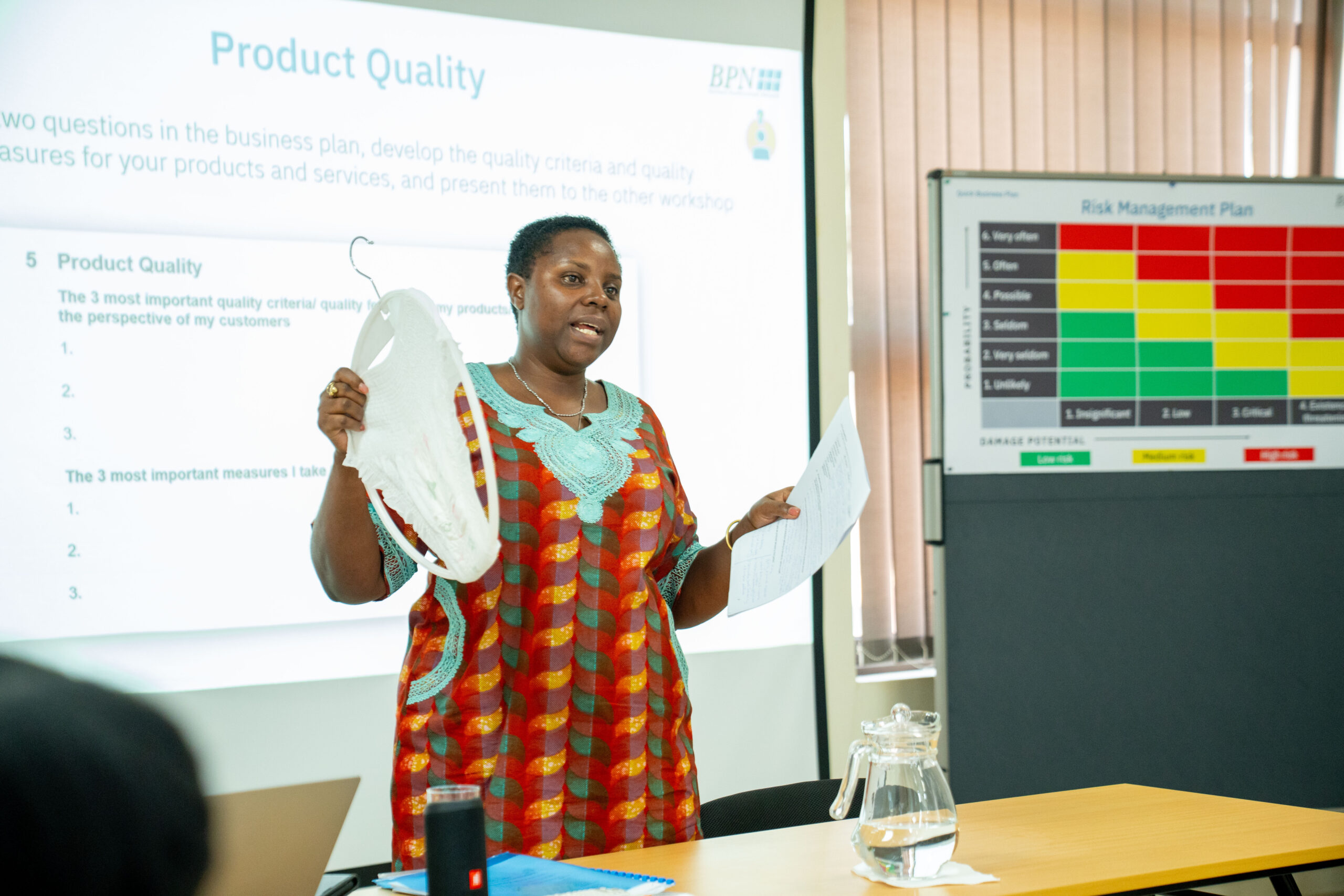
Ask a participant to pitch their idea in two minutes, and in many countries you’ll see hesitation, even dread. Not in Uganda. Ugandan entrepreneurs step forward, present, and take feedback with a confidence and openness that consistently impresses me. The willingness to expose your ideas — and be corrected — in front of peers is one of the fastest engines of business learning and growth.
5. A Genuine Hunger for What’s New
Rather than fearing that AI will replace them, I put a sharper question to SME owners: how can AI help you do things that were simply impossible two or three years ago – too costly, too time-consuming – and use that to push your business to a new level? Not just doing faster what you already did, but doing what you couldn’t do before. It’s an idea that Ugandan entrepreneurs, whether 18 or 55, take up with striking openness.

6. Time Is Elastic
Anyone who has organised an event in Uganda knows this one already: a 9:00 a.m. start rarely means 9:00 a.m. I’m still working out how to build enough flexibility into a training agenda to serve participants who arrive on time — without those who arrive late losing the thread entirely.
So, Is Business Training Still Relevant in Uganda?
More than ever – just not in the form it used to take. The trainer’s job is no longer to be the source of information; AI has taken that role. The trainer’s job now is to be the architect of the room: the person who creates the conditions for experience to be shared, ideas to be pressure-tested, and confidence to be built face to face.
That, no algorithm can replicate. And if my first year at BPN Uganda has taught me anything, it’s that Ugandan entrepreneurs are exceptionally well suited to exactly this kind of learning — provided we design for it.