


When your business distributes LPG cylinders and refills to households and commercial customers across Uganda, financial management is not just about keeping accurate records. It shapes everyday decisions: how efficiently you serve customers, where resources are being lost, whether to invest in your own delivery assets or keep outsourcing transport, and how to finance growth without straining cash flow.
Quick Takeaways
- A structured financial dashboard beats gut-feel management. Without one, key decisions end up based on judgement rather than data.
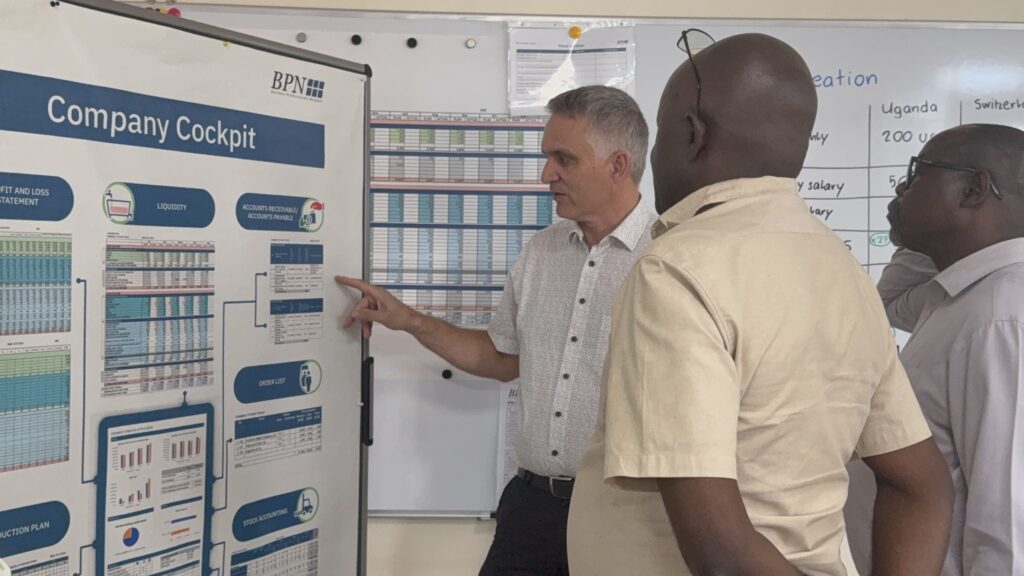
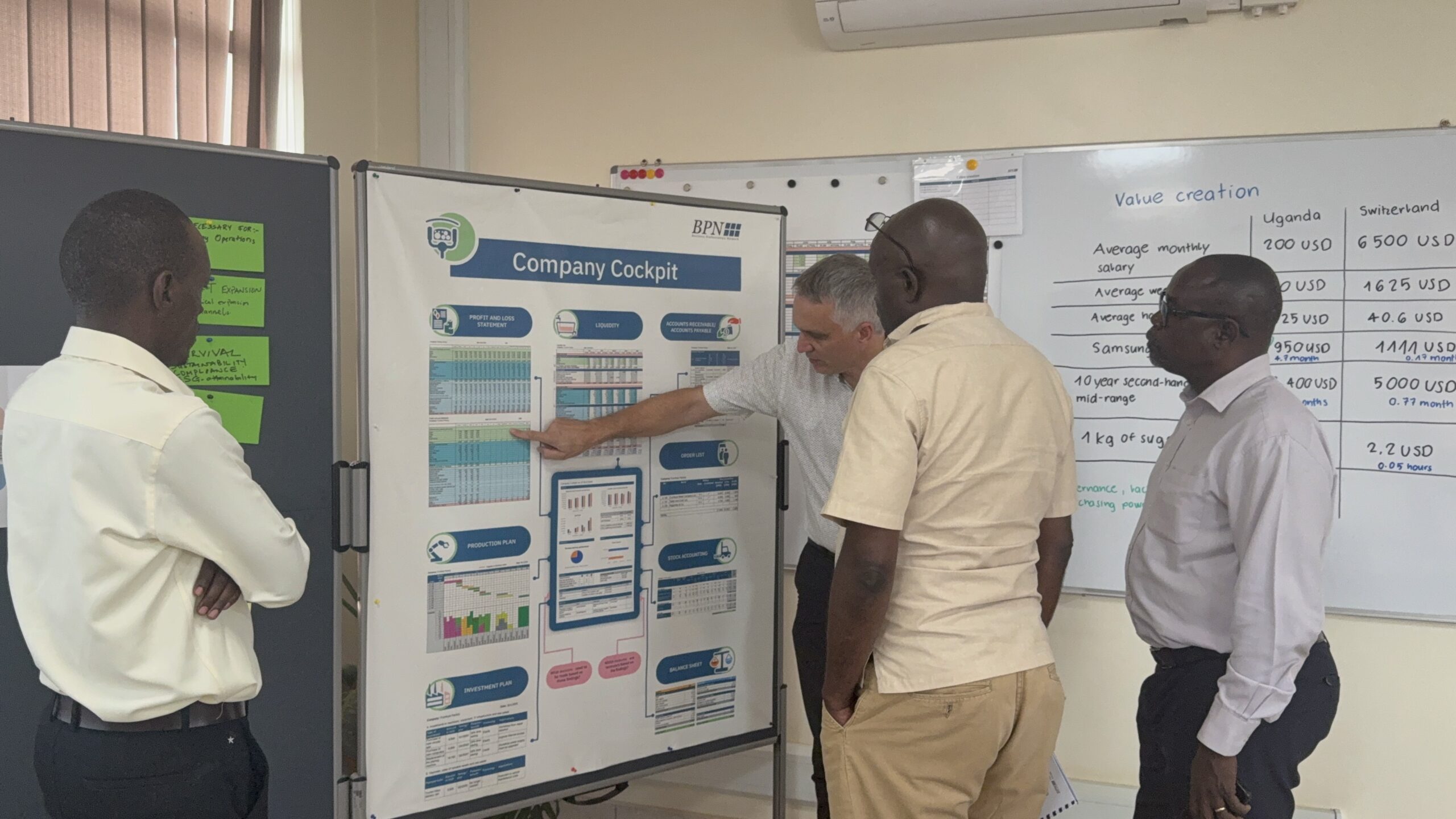
- BPN Uganda’s Financial Management for Leaders seminar teaches participants to build a “Company Cockpit” – A dashboard that brings together the key metrics needed to successfully steer their business.
- The training includes a real investment analysis exercise – in this case, whether to buy or rent a delivery truck – covering one-off acquisition costs, running costs, ROI and payback period.
- Peter, General Manager at an Ugandan LPG provider, applied both tools directly to his business and has already adopted the investment analysis tool into operational planning.
- BPN Uganda focuses on application, not theory: training creates real value only when it translates into better decisions, practical solutions, and measurable progress in the day-to-day reality of a business.
How can I move from gut feeling to data-driven decision-making?
That was the question Peter, General Manager at an Ugandan LPG distributer, set out to answer when he joined BPN Uganda’s Financial Management for Leaders seminar.
His business was reviewing its financial strategy to strengthen growth and stability. The company had built solid operations over time, but it lacked a structured mechanism for tracking key performance indicators – meaning some management decisions relied more on judgement than on clearly defined financial and operational data.
The seminar gave Peter practical tools to begin changing that.
Building a Company Cockpit for an LPG Distribution Business
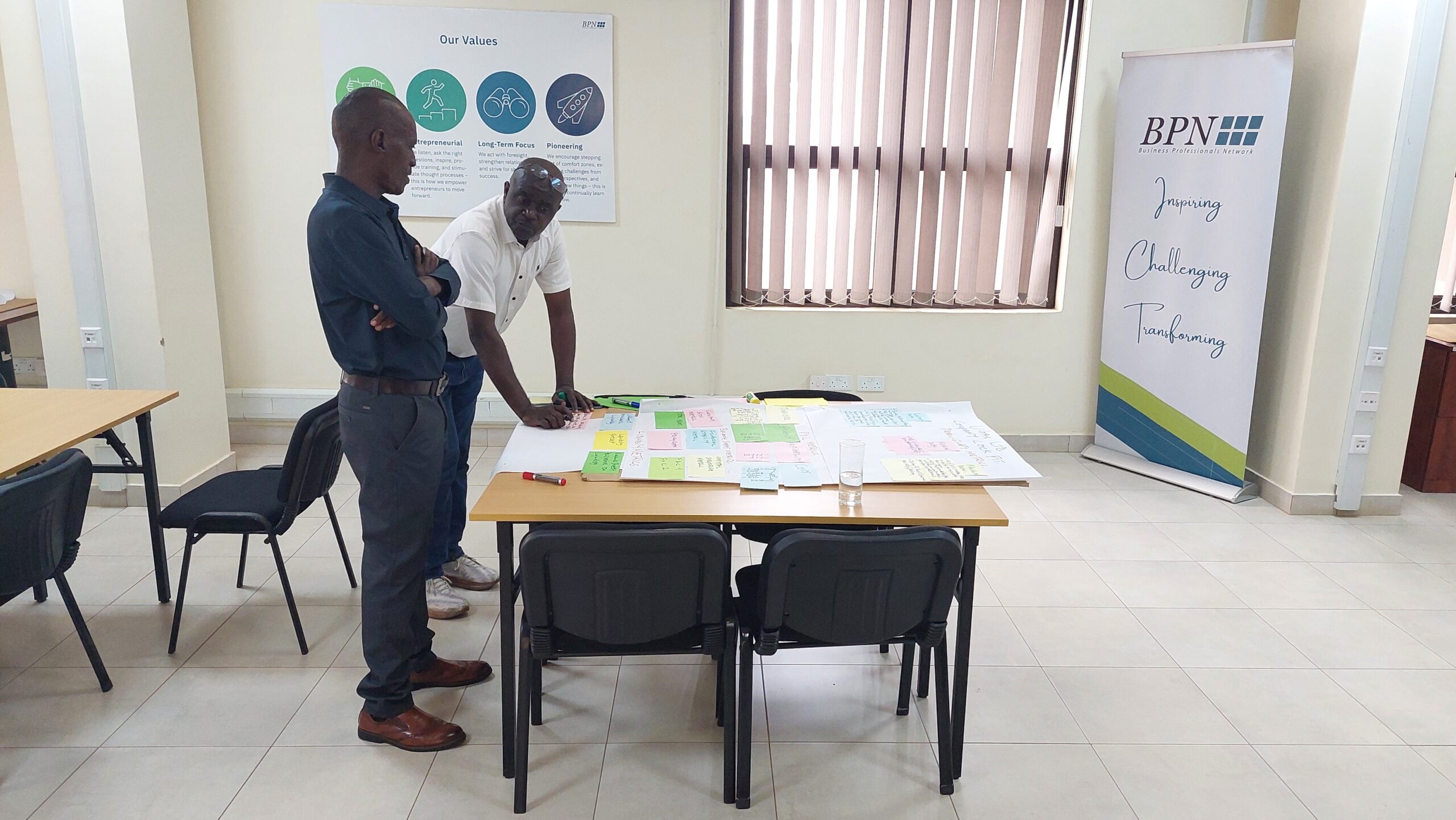
During the training, Peter developed a Company Cockpit tailored to his own business, bringing together selected Profit & Loss, Balance Sheet and productivity metrics.
For an LPG distribution business, this connects financial performance directly to operational reality. It supports liquidity planning, helps identify areas of resource waste, and makes it easier to manage costs, improve processes and make informed decisions as the business grows its distribution activities.
Buy or Rent? Using Investment Analysis for a Real Fleet Decision

Should the company acquire a delivery truck or continue renting one?
Instead of treating this as a simple purchase-price-versus-rental-cost comparison, Peter used BPN’s investment analysis tool to assess the wider financial implications — one-off acquisition costs, financing costs, running costs, return on investment, and payback period.
For a business whose ability to serve customers depends on moving LPG cylinders and refills efficiently, a decision like this has direct implications for operating costs, cash flow, and the overall economics of distribution.
From the Seminar Room to Everyday Operations
Peter returned to his company not just with new financial knowledge, but with tools that could be put to work immediately. He recommended implementation of the Company Cockpit, and reported that the investment analysis tool had already been adopted within the company’s operational planning structures.
The BPN Uganda Approach to SME Development
We believe business training becomes valuable when an entrepreneur or manager can take what they learn and apply it to the real numbers, operations and decisions within their enterprise.
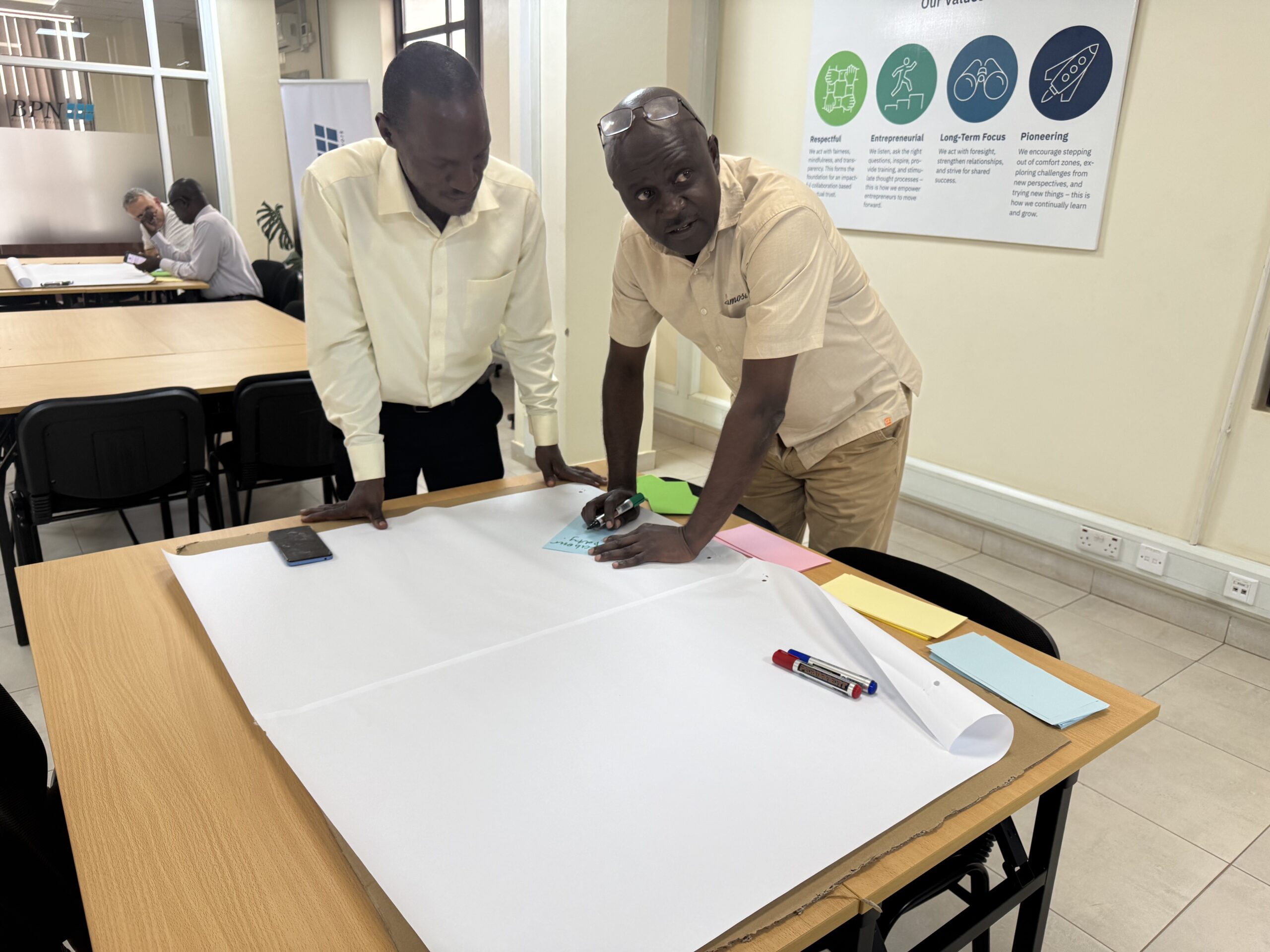
Stronger SMEs are not built by theory alone. They are built when leaders understand their numbers and use them to make better decisions.
What important business decision could you make differently if you had the right financial tools?
Explore BPN Uganda’s Financial Management for Leaders seminar and other Business Academy trainings to find out.