

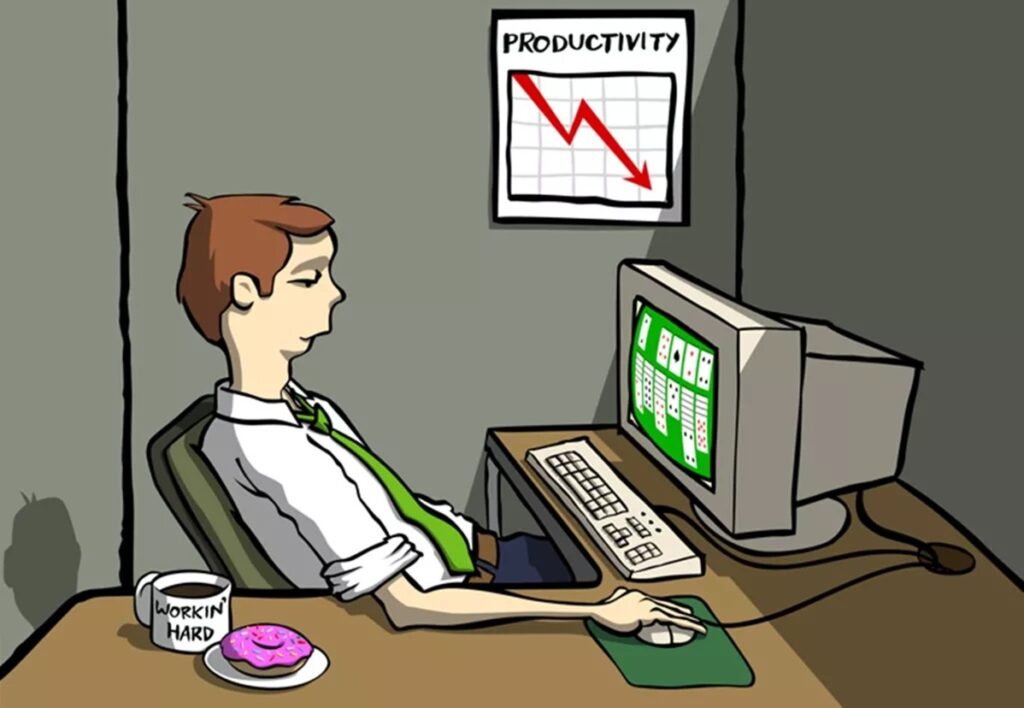

Do you ever feel like you’re constantly busy – but never truly productive?

You reply to dozens of emails, answer calls, and scroll endlessly through the internet, social media, or sports news. You might even keep up with the latest gossip about Ugandan celebrities. Whatever you do, you do it thoroughly – except the really important things, which somehow always get postponed.
This pattern is known as pathological procrastination, a psychological behaviour that goes far beyond ordinary laziness. When procrastination becomes chronic, it can seriously affect your work, studies, and personal life. People who struggle with it often miss deadlines, lose clients, or even risk their jobs – all because they cannot start or finish key tasks.
The Vicious Cycle of Procrastination
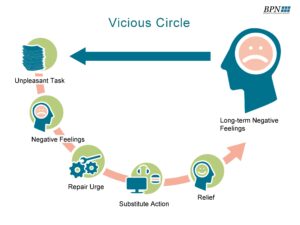
Pathological procrastination follows a repeating cycle that traps many individuals:
- It begins with an unpleasant or challenging task, such as writing a detailed report due soon.
- Instead of starting immediately, the person delays it – creating frustration and guilt.
- To escape these negative feelings, they look for quick emotional relief.
- They distract themselves with easier or meaningless activities, like checking messages or browsing online.
- This brings short-term comfort – but the unfinished task looms larger.
- Soon, feelings of failure and pressure increase, self-confidence drops, and motivation declines.
The result? A self-reinforcing loop of avoidance – a perfect vicious circle.
Why People Procrastinate
People who chronically procrastinate are not lazy or incompetent. In fact, many are intelligent, ambitious, and even perfectionists. Their real struggle is not completing tasks – but starting them.
Common causes include:
- Lack of motivation: The task feels meaningless, monotonous, or unrelated to personal goals.
- Inability to say no: Taking on unwanted commitments creates internal resistance.
- Unrealistic expectations: Overambitious goals make action feel impossible.
- Perfectionism: The fear of not doing something perfectly prevents them from doing it at all.
- Distractions: Phones, TV, and the internet constantly steal focus.
- Long deadlines: Large projects with distant due dates reduce urgency and delay action.
According to a recent study published by the National Library of Medicine, chronic procrastination is strongly associated with self-regulation difficulties, low task appeal, and a tendency to avoid unpleasant activities.
Practical Ways to Overcome Procrastination
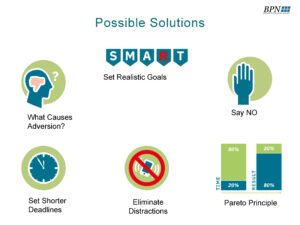
Overcoming pathological procrastination requires awareness, structure, and consistency.
Here are some proven strategies used in productivity and business coaching at BPN Uganda:
- Identify the root cause: Ask why you dislike a specific task. Is it too repetitive, difficult, or unclear?
- Learn to say no: Avoid accepting responsibilities that don’t align with your goals or values.
- Set SMART goals: Break large projects into smaller, manageable steps and celebrate each achievement.
- Use the Pareto Principle (80/20 rule): Focus on the 20% of activities that create 80% of the results.
- Eliminate distractions: Turn off notifications, mute your phone, or work in a new location.
- Create shorter deadlines: Urgency helps sustain focus and momentum.
These methods not only improve productivity but also boost confidence and reduce stress – essential ingredients for sustainable success.
How BPN Uganda Can Help
At BPN Uganda, our business and productivity coaching programmes help entrepreneurs, professionals, and teams overcome procrastination, manage time effectively, and reach their full potential.
Through tailored coaching sessions, our local and Swiss experts work with you to:
- Identify barriers holding you back
- Build motivation and accountability
- Create action plans that deliver real results
- Develop habits for long-term productivity and success
Take Action Today – contact us here.
BPN Uganda – For strong entrepreneurship in Uganda.